
Walking Seaford Head: A Complete Guide to the Nature Reserve
Seaford Head Local Nature Reserve offers 83 hectares of chalk grassland, dramatic cliff views, and some of the best wildflower displays in Sussex. Here's everything you need to know for your visit.
The Route
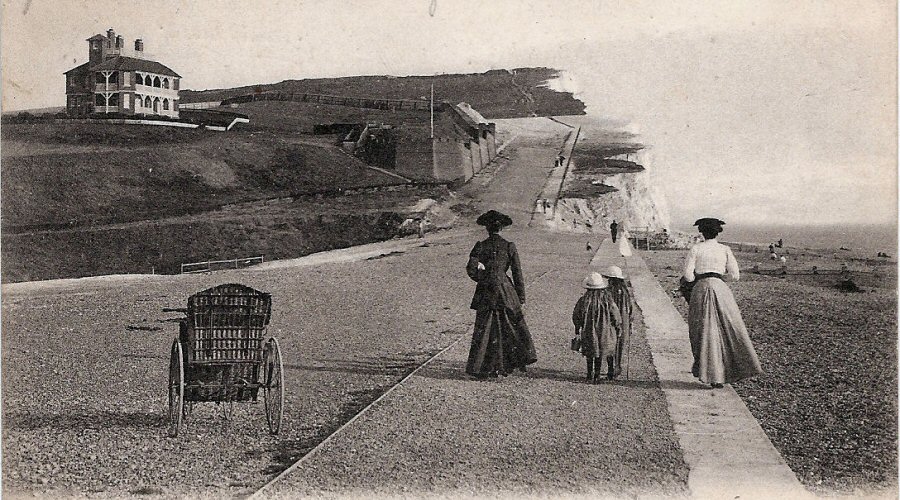
Seaford Head rises above the town's eastern end, offering a circular walk of around 2 miles that takes in cliff-top views, chalk grassland, and the approach to the Seven Sisters. Start from the car park at the end of Seaford seafront, or from Splash Point where the promenade ends.
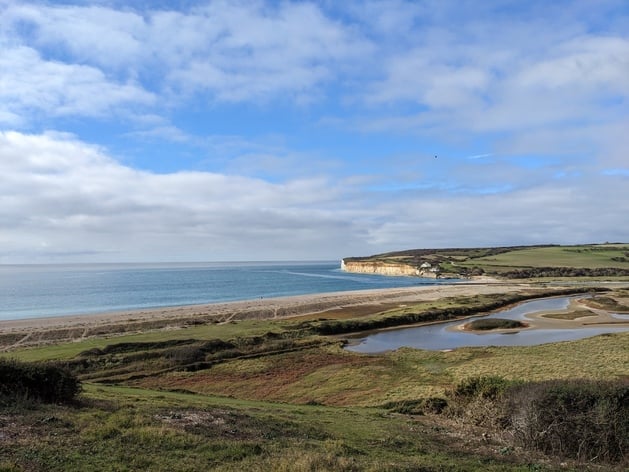
The path climbs steadily through grassland to the cliff edge, where on a clear day you can see the full sweep of the Seven Sisters to the east and Newhaven harbour to the west. The return loop drops back through the reserve's interior, passing butterfly-rich meadows in summer.
Wildlife to Look For
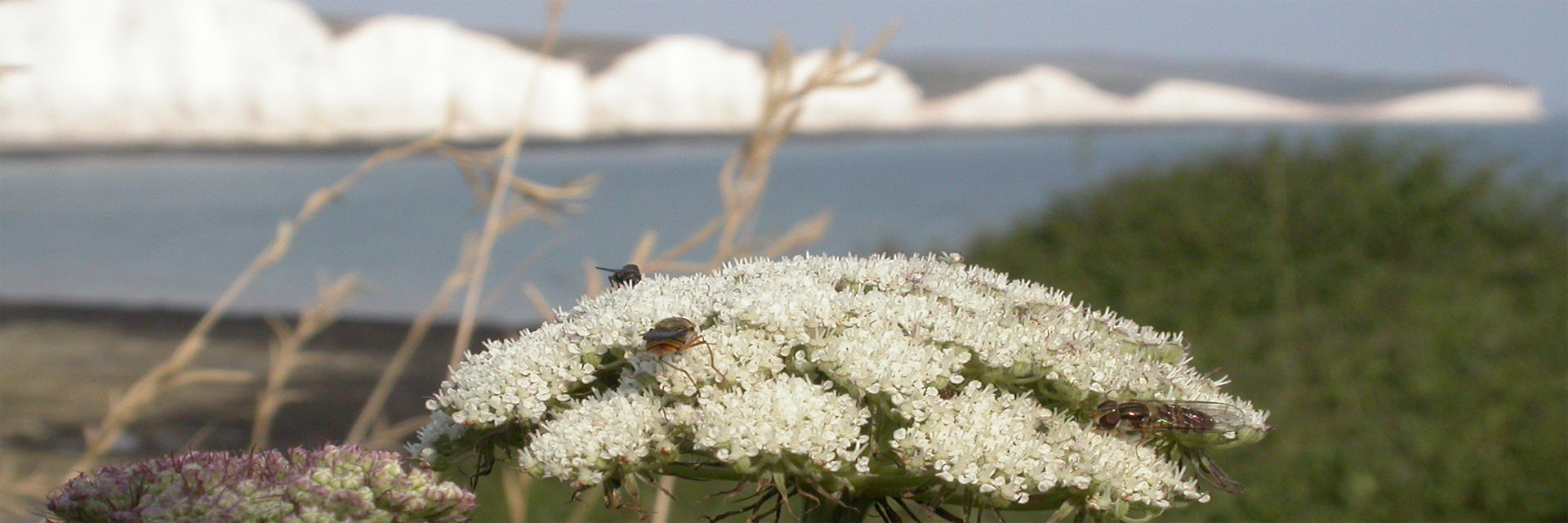
Seaford Head is part of the Seaford Head to Beachy Head SSSI (Site of Special Scientific Interest). The chalk grassland supports an extraordinary diversity of wildflowers and insects:
- Spring: Early spider orchids, cowslips, violets
- Summer: Pyramidal orchids, bee orchids, chalkhill blue butterflies, Moon Carrot (a rare plant monitored by Seaford Natural History Society)
- Autumn: Migrating birds, late-flowering devil's-bit scabious
- Year-round: Peregrine falcons, fulmars nesting on the cliffs, slow worms in the scrub
The Seaford Natural History Society has conducted three weekly butterfly transects on the Head for over 60 years, making it one of the best-documented sites for invertebrates in Sussex.
Conservation Grazing
You may encounter cattle on the reserve — Sussex Wildlife Trust uses conservation grazing to maintain the short turf that wildflowers and butterflies depend on. Dogs should be kept under close control around livestock. SWT has managed the reserve since 2013.
Easy Access Trail
The South Downs National Park Authority maintains a Seaford Head Easy Access Trail suitable for wheelchairs and pushchairs, offering cliff-top views without the steeper sections of the full circuit.
Practical Information
- Parking: Free car park at Seaford seafront (eastern end)
- Distance: Approx. 2 miles (circular)
- Terrain: Grass paths, some steep sections on the full circuit
- Dogs: Welcome but must be under close control near livestock
- Facilities: Cafes and public toilets on Seaford seafront
Sources: Sussex Wildlife Trust — Seaford Head reserve profile (sussexwildlifetrust.org.uk/visit/seaford-head); South Downs National Park — Easy Access Trail (southdowns.gov.uk); Seaford Natural History Society (seafordnaturalhistory.org.uk); Seaford Town Council — Visiting Seaford Head (seafordtowncouncil.gov.uk)