How the Railway Transformed Seaford
When the railway reached Seaford in 1864, it transformed a quiet coastal village into a thriving seaside town. Here's the story of the line that changed everything.
A Village Before the Railway
Before 1864, Seaford was a small, relatively isolated coastal village. The nearest railway station was at Newhaven, and reaching London meant a long journey by horse and coach. The town's population was modest, its economy based on farming, fishing, and a declining connection to the Cinque Ports confederation that had once given it strategic importance.
The coming of the railway changed everything.
The Branch Line Arrives
The London, Brighton and South Coast Railway (LBSCR) opened the branch line from Lewes to Seaford on 1 June 1864. The single-track line ran south from Lewes through the Ouse valley, joining the existing Newhaven line before branching off to terminate at Seaford.
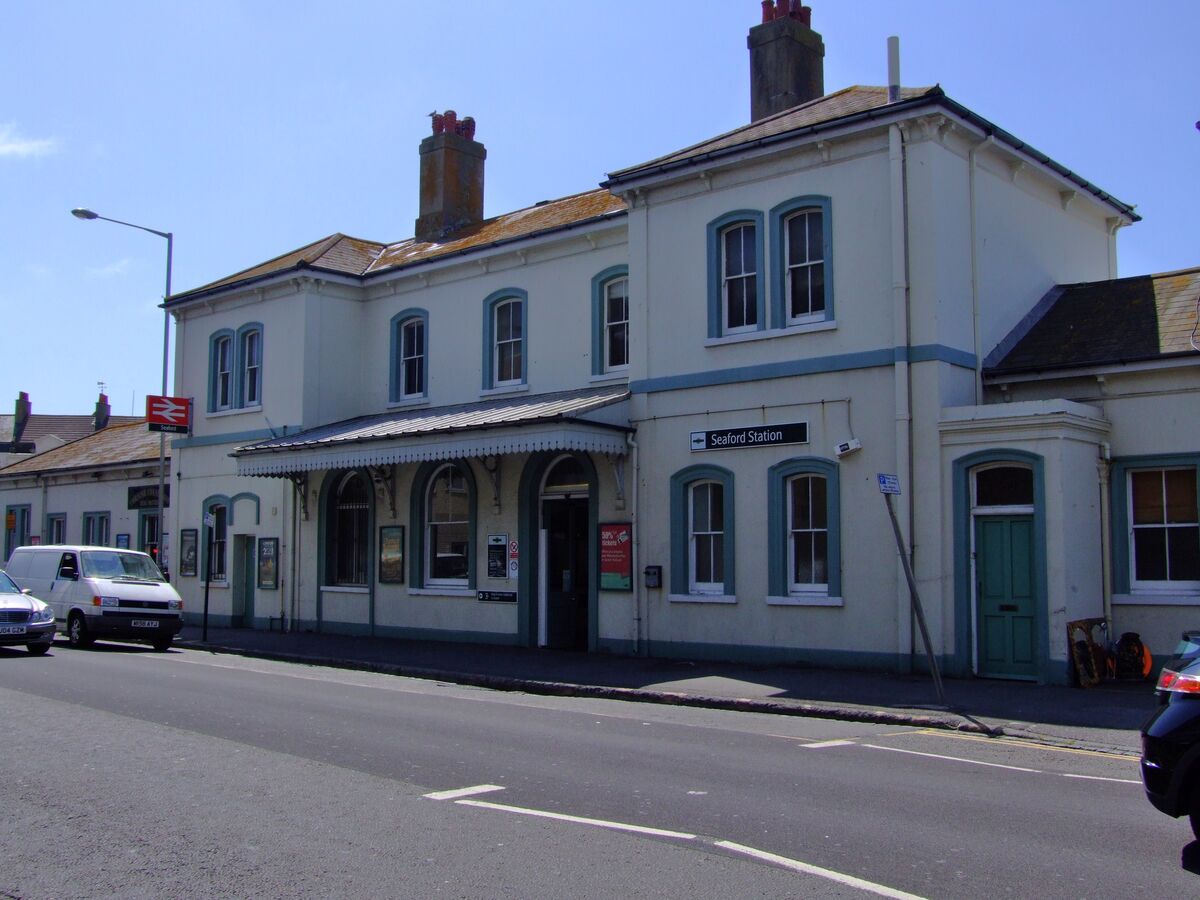
The new station was built on what is now Station Approach, with a modest but functional building serving the single platform. For the first time, Seaford residents could reach Brighton in under an hour and London in around two hours.
The Victorian Boom
The railway triggered rapid growth. Victorian developers saw Seaford's potential as a seaside resort — clean air, shingle beach, dramatic chalk cliffs, and now a direct rail connection to London.
New streets were laid out, terraced houses built for the growing population, and grand seafront buildings constructed to attract visitors. Hotels and boarding houses sprang up along the Esplanade. The population grew steadily through the late Victorian and Edwardian periods.
The railway also brought day-trippers. Londoners could escape the city for a day at the Sussex coast, walking the cliffs, bathing in the sea, and exploring the South Downs. Seaford became a popular destination for this emerging leisure market.
The Station Through the Years
The original station was rebuilt and expanded as traffic grew. The line was upgraded, signalling improved, and services became more frequent. At its peak, the branch line was a vital artery connecting Seaford to the wider rail network.
During both World Wars, the railway served military purposes — transporting troops and supplies to the camps established around Seaford for training. Canadian forces in particular used the line extensively during World War II preparations for D-Day.
The Beeching Era
In the 1960s, Dr Richard Beeching's infamous report on the future of Britain's railways threatened many branch lines with closure. The Seaford branch was considered vulnerable, but unlike many rural lines, it survived the cuts — largely because Seaford had grown into a substantial town that depended on its rail connection for commuting to Brighton and London.
The line's survival was not guaranteed, and local campaigns played a part in making the case for its retention.
Seaford Station Today
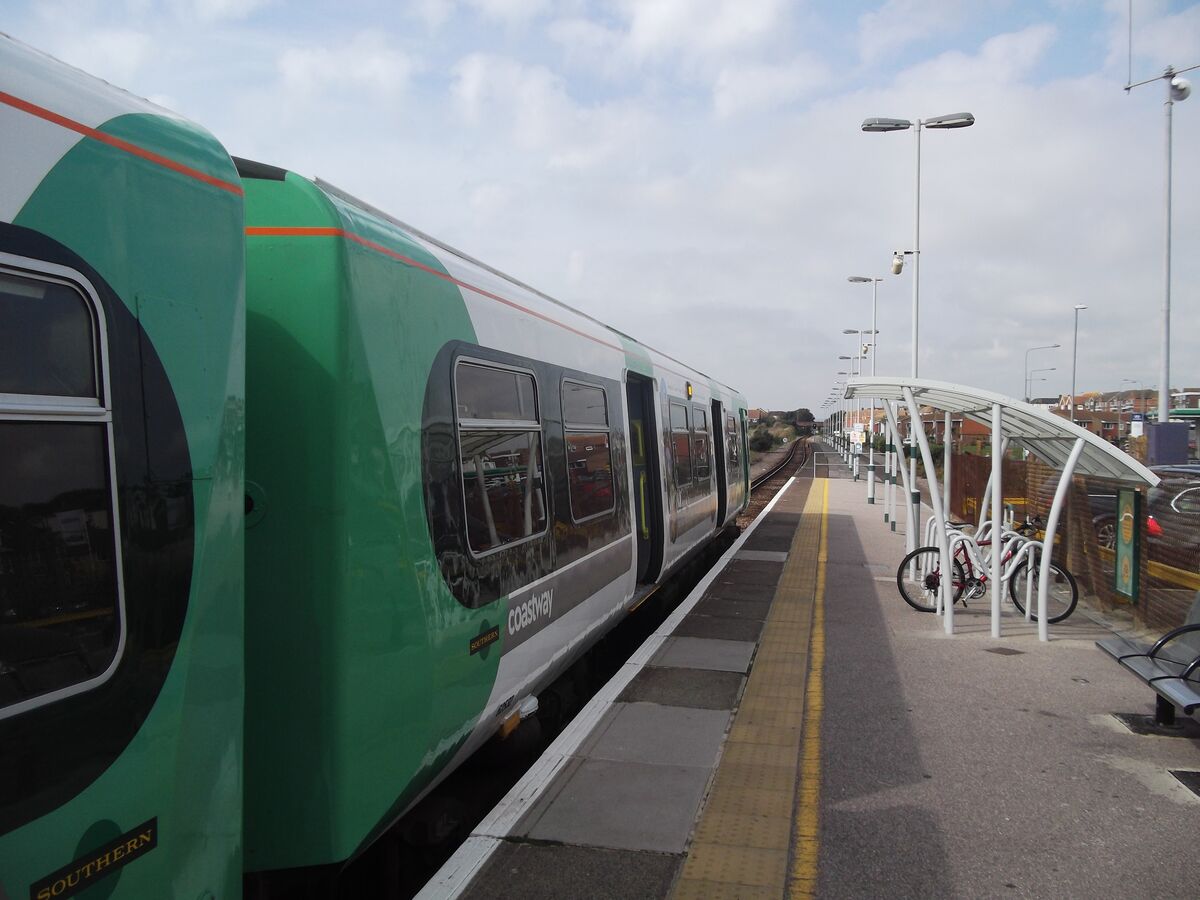
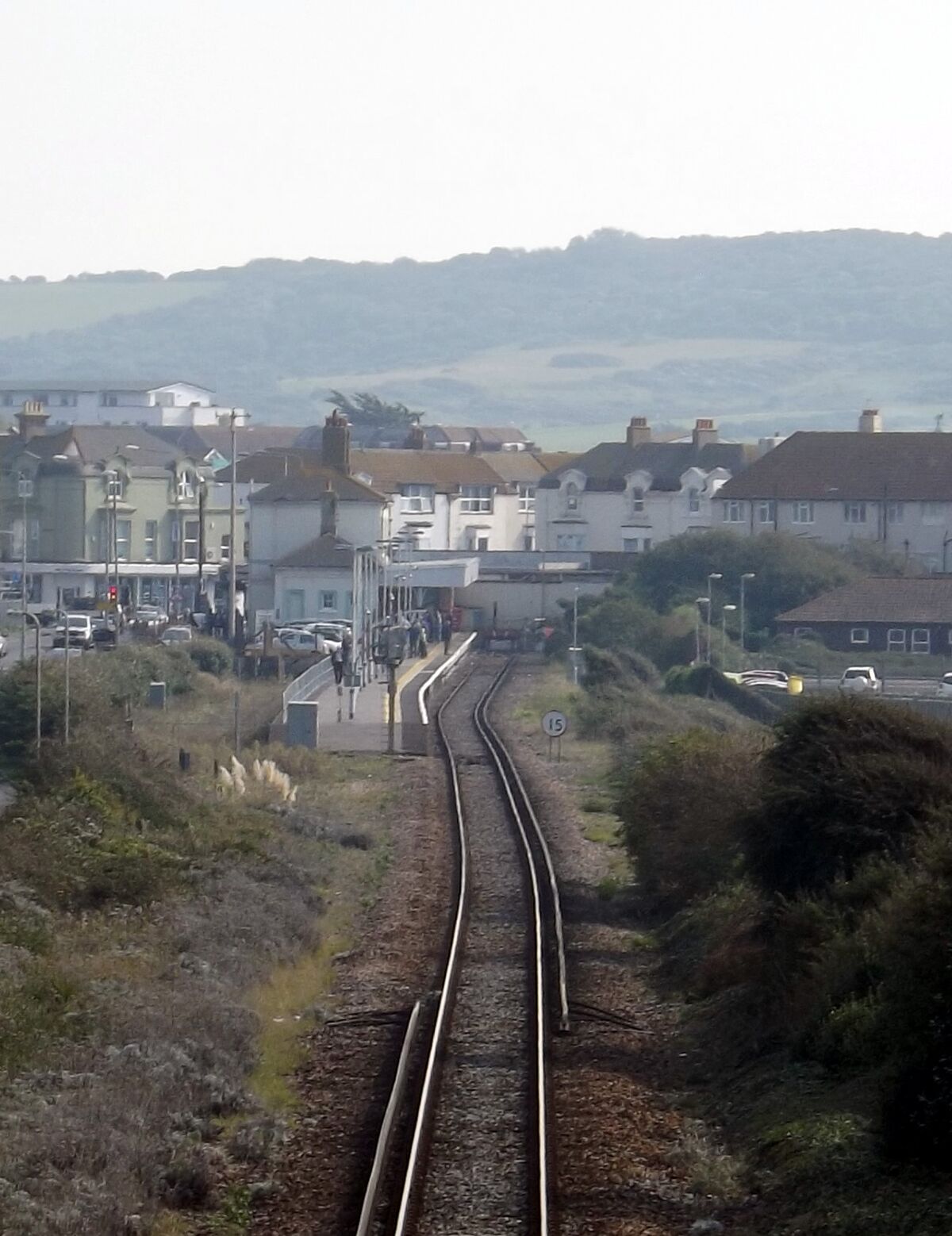
Today, Seaford station is the terminus of the East Coastway line, operated by Southern Railway. Services run regularly to Lewes (12 minutes), Brighton (35 minutes), and London Victoria (around 90 minutes). The station has step-free access, a car park, bicycle storage, and a taxi rank.
The line remains single-track for much of its length, and the station retains its branch-line character — a quiet terminus at the end of the line, far from the bustle of mainline stations. But it continues to serve the purpose it was built for over 160 years ago: connecting Seaford to the wider world.
Sources: Seaford Museum railway collection (seafordmuseum.co.uk); National Rail — Seaford station (nationalrail.co.uk); Wikipedia — Seaford railway station; Seaford Times archive (recovered via Wayback Machine)