The Martello Tower: How Seaford's Napoleonic Fort Became a Museum
Martello Tower No. 74 on Seaford's Esplanade was built to defend against Napoleon. Two centuries later, it houses one of Sussex's most charming small museums.
Built Against Napoleon
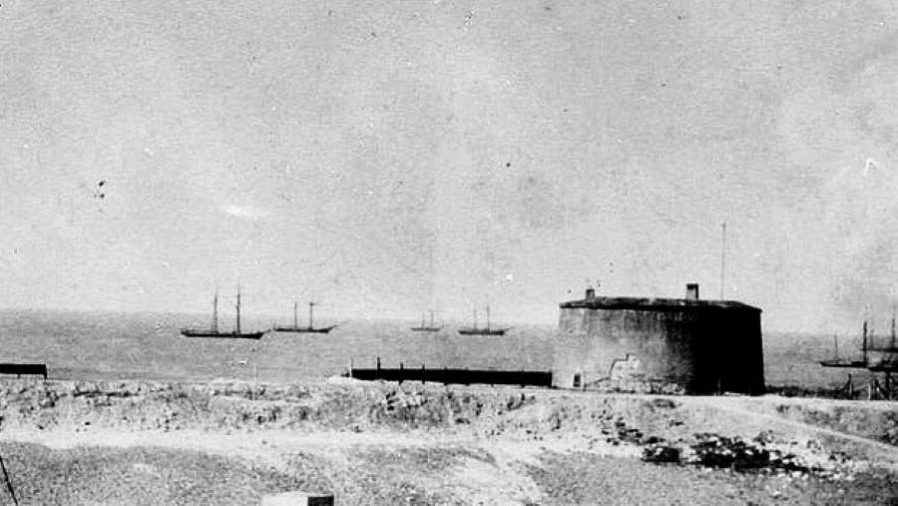
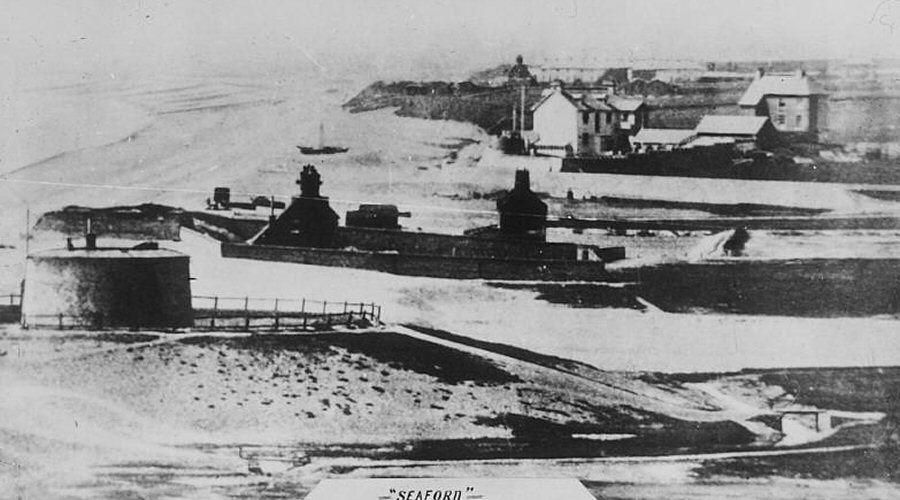
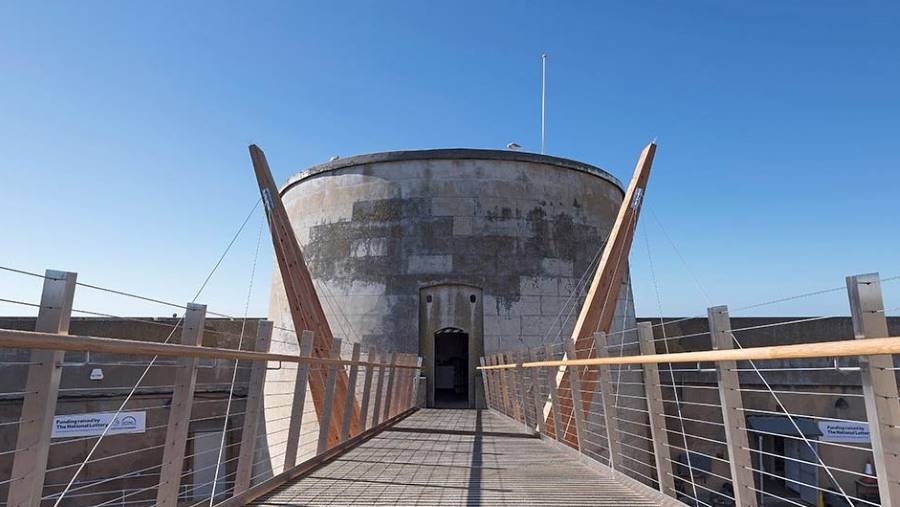
In the early 1800s, with Napoleon's forces massing across the Channel, the British government ordered a chain of defensive towers along the south coast. Martello Tower No. 74, built on the Seaford Esplanade around 1806, was one of 103 such towers stretching from Folkestone to Seaford.
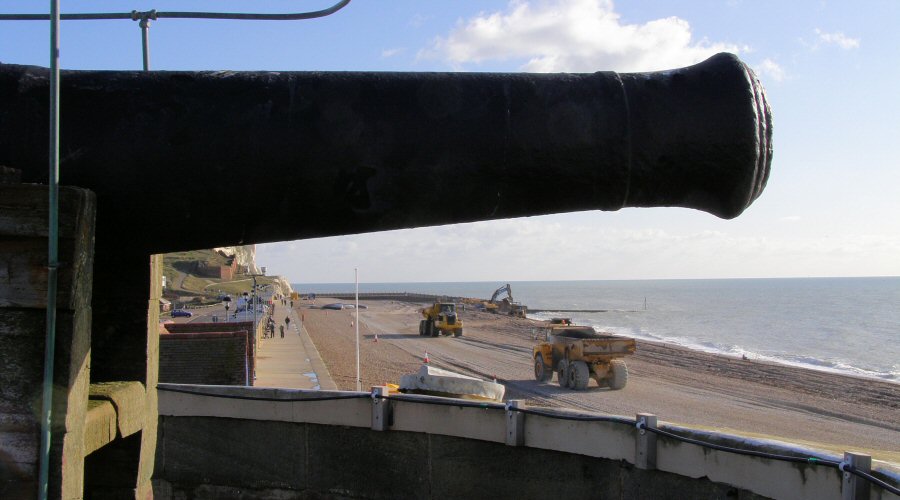
The towers were designed to withstand cannon fire from the sea. Their thick walls (up to 4 metres on the seaward side), circular design, and roof-mounted cannon made them formidable defensive positions. In the event, Napoleon never invaded, and the towers never fired a shot in anger.
From Defence to Museum
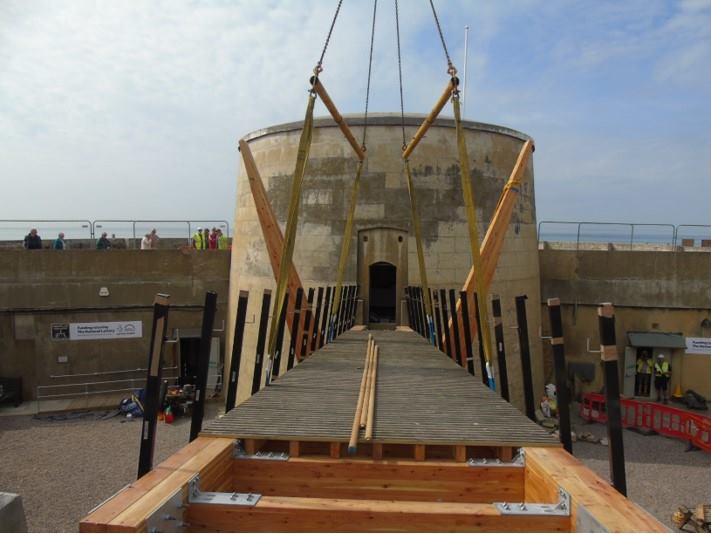
After their military purpose ended, the Martello towers found various second lives — some became homes, others fell into ruin. Tower No. 74 eventually became home to the Seaford Museum & Heritage Society, which has filled its chambers with collections spanning the town's history.
What's Inside
The museum's collections are arranged across the tower's floors:
- Maritime history — Seaford's relationship with the sea, from the Cinque Ports era to modern fishing
- Victorian and Edwardian life — Room-setting tableaux showing how Seaford residents lived a century ago
- Radio and television history — A notable collection of early wireless sets
- Railway heritage — The story of the railway that revived Seaford in the mid-19th century
- Tide Mills exhibition — Artefacts and photographs from the lost village
The museum also offers virtual tours on its website for those who can't visit in person.
Visiting
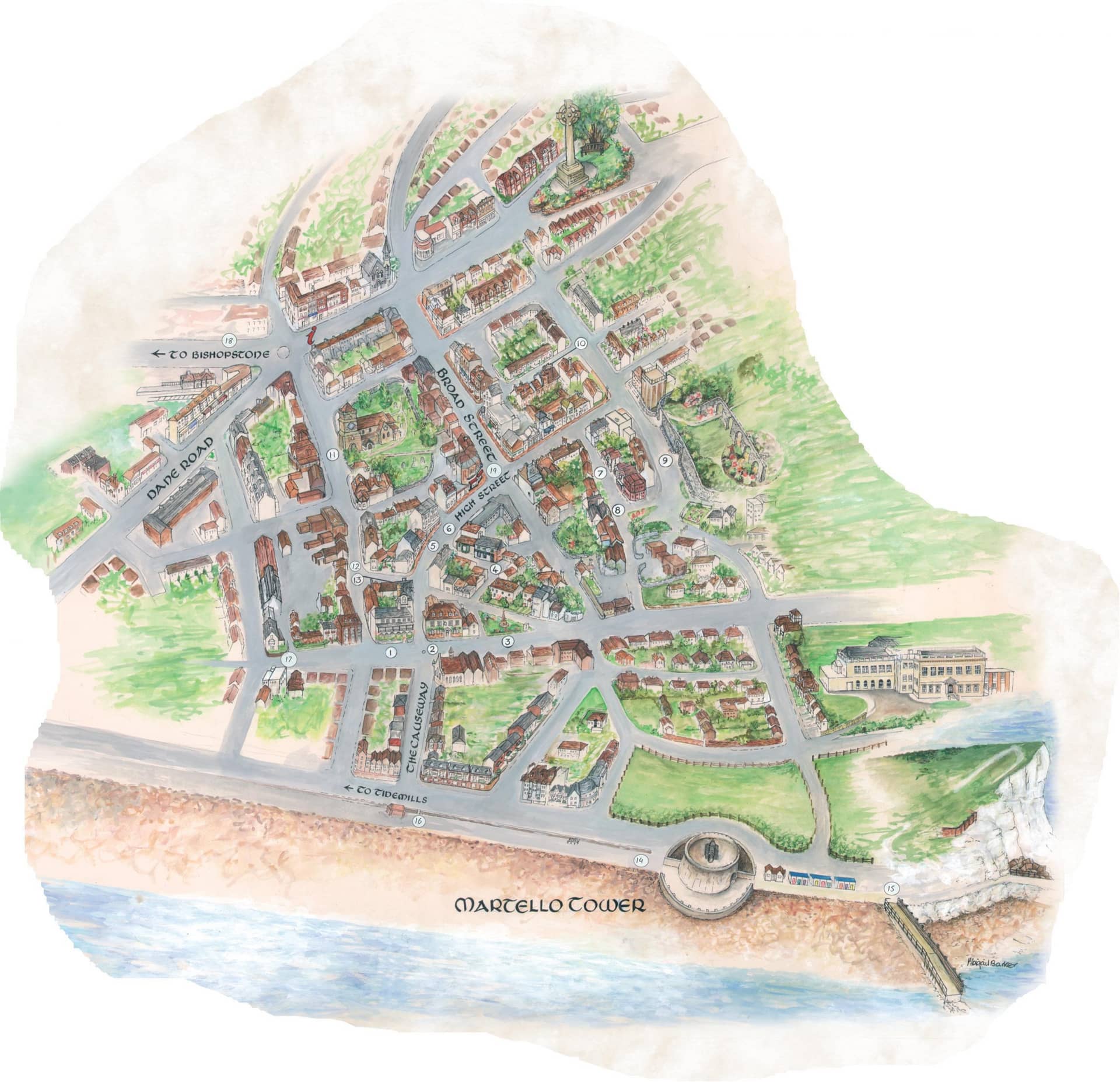
The museum is volunteer-run and opens seasonally (typically Easter to October). Entry is free, with donations welcome. It stands on the Esplanade at BN25 1JH, easily reached from the town centre.
Sources: Seaford Museum & Heritage Society (seafordmuseum.co.uk); Visit Lewes — Seaford Museum listing (visitlewes.co.uk); Historic England — East Sussex heritage listings (historicengland.org.uk); Art UK — Seaford Museum collections (artuk.org)